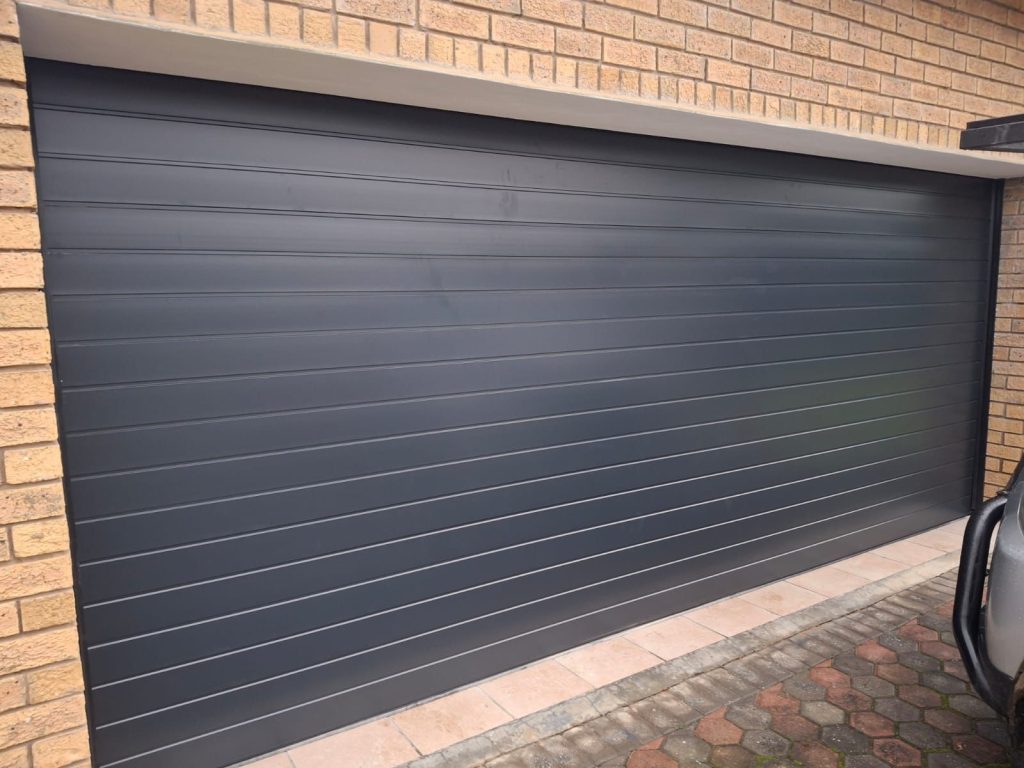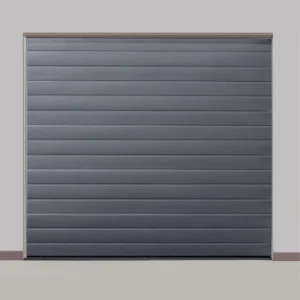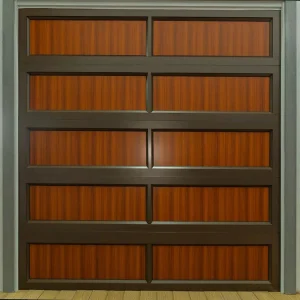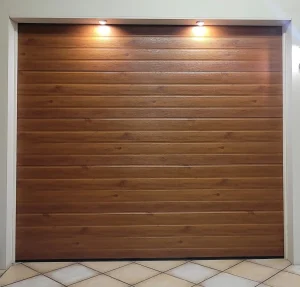
Steel garage doors are a popular choice for homeowners across South Africa thanks to their strength, durability, and modern aesthetic. But even the toughest garage door isn’t immune to time, weather, or wear and tear. Whether you’re dealing with creaks and rattles or visible damage, it’s important to know when your steel garage door needs attention.
Ignoring small issues today can lead to major repair, or costly replacements tomorrow. Here are five signs that your steel garage door may need repairing or replacing, along with some insights into what they might mean for your home’s safety, comfort, and value.
1. Rust and Corrosion Are Taking Over
Steel is incredibly strong, but it’s also vulnerable to moisture, especially in humid or coastal regions. Over time, exposure to rain, salty air, and temperature fluctuations can cause rust to form on the surface of your garage door over time.
A bit of surface rust can often be sanded and treated. However, widespread corrosion is a different story. It can weaken the door’s structural integrity and affect how well it opens, closes, and seals. If left unchecked, rust can also spread to other metal parts like hinges, tracks, and springs.
Insight: In coastal areas like Durban or Port Elizabeth, investing in a steel door with a galvanised or powder-coated finish can help delay corrosion and reduce maintenance costs.
2. The Door Is Making Excessive Noise
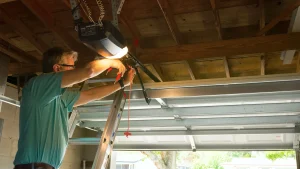
Garage doors aren’t silent, but a healthy one shouldn’t sound like a freight train every time it opens. If you’re hearing screeching, grinding, popping, or rattling, your steel garage door is trying to tell you something. Noises often signal that moving parts, like rollers, springs, or bearings—are worn or poorly lubricated. A misaligned track or unbalanced door can also strain the motor, eventually leading to system failure.
Tip: Schedule annual servicing. A little preventative maintenance can keep noise levels down and go a long way to extending your door’s life if done consistently.
3. Dents, Warping, or Physical Damage
Steel is tough, but like all materials it’s not invincible or immune to the effects of time. Car bumps, heavy winds, or even kids playing cricket in the driveway can leave dents. Over time, multiple dents can distort the alignment, affect the seal, and cause your door to jam or lift unevenly.
In some cases, dents can be repaired by replacing individual panels. But if damage is widespread or affecting functionality, a full replacement may be more cost-effective.
Insight: Certain newer steel garage doors are available with layered designs that include insulation and dent-resistant surfaces, ideal for busy family homes.
4. It’s Not Operating Smoothly
Your garage door should open and close with minimal effort. If it stalls, jerks, reverses direction, or gets stuck halfway, you could be dealing with failing components or electrical issues.
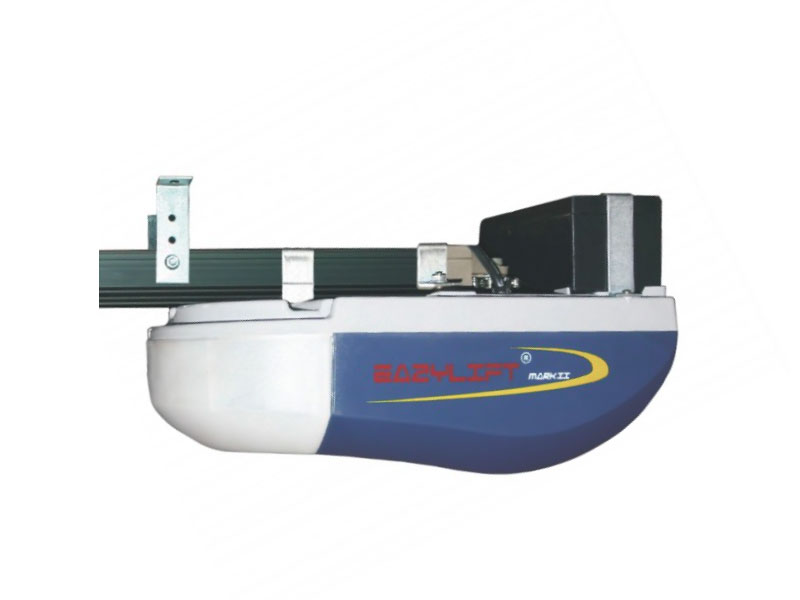
Mechanical failures may include worn-out torsion springs or misaligned safety sensors. In automatic systems, the opener might also be underpowered or nearing the end of its service life.
Pro tip: If your door is over 15 years old and struggling to keep up, replacing the system might be more energy-efficient and secure in the long term.
5. Poor Insulation and Rising Energy Bills
Older steel garage doors often lack proper insulation, allowing heat to escape during winter months and enter during the summer. If your garage is attached to your home, or used as a workspace, this can drive up electricity usage and make the space uncomfortable year-round.
Modern steel doors often feature polyurethane or polystyrene insulation between layers of steel, improving energy efficiency and soundproofing.
With South Africa’s rising energy costs and unpredictable load-shedding schedules, a well-insulated garage door can help stabilise indoor temperatures and ease the strain on your heating bills in the long run.
FAQs – Steel Garage Doors
Minor surface rust can be treated with sandpaper and a rust-inhibiting primer. However, if corrosion is widespread or structural, it’s best to consult a professional.
With proper maintenance, steel garage doors typically last 15 to 30 years. Harsh environments may shorten this lifespan, while regular servicing can extend it.
Replacing a single panel is more affordable if the rest of the door is in good condition. But if damage is extensive or the door is old, full replacement may be more cost-effective in the long run.
Once a year is recommended for general maintenance. If your door gets heavy daily use, servicing every 6 months may be wise.